As spring marks the beginning of hay fever season, this blog outlines comprehensive nutrition tips to support those with a sensitivity to pollen. With the right preparation and in-season protocols, diet and lifestyle strategies can significantly reduce symptom burden and improve quality of life.
Hay fever is becoming more common and lasting longer each year. No one knows the exact reasons, but contributing factors may include: air pollution increasing pollen reactivity, longer and earlier pollen seasons due to warmer weather, changes in plant species exposing us to new pollens together with urban planting of more male trees and plants which offer easier maintenance but produce more pollen, gut microbiome disruption from modern diet and antibiotic use, as well as reduced immune tolerance due to lower environmental exposure over lockdown, Vitamin D insufficiency associated with inadequate sun exposure, higher stress levels and poor sleep exacerbating symptoms as well as increased intake of ultra-processed foods and alcohol. Pet ownership can also contribute to higher levels of dander indoors which can contribute to a flare up of symptoms.
Some people with pollen allergies also experience pollen-food cross reactions (oral allergy syndrome), with itching or tingling after certain raw fruits, vegetables, nuts, or soya. This means more people are dealing with sneezing, itchy eyes, congestion, and fatigue. Many people now experience symptoms beyond the traditional spring–summer window.
The good news: simple nutrition and lifestyle strategies can help calm your immune response and reduce symptom severity, especially if you start before peak pollen season.
Why Symptoms Happen
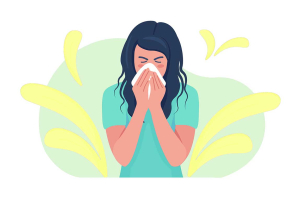
Hay fever happens when your immune system mistakenly treats pollen (normally a harmless substance) as a threat. This triggers the release of histamine and other inflammatory chemicals causing the familiar symptoms of sneezing, congestion, itchy eyes and mucous production, as well as secondary symptoms such as disturbed sleep.
Your gut health, nutrient status, stress levels, poor quality / lack of sleep, and diet quality can all influence how strongly your body reacts.
The importance of the Immune System
Supporting your gut and immune system can help your body respond more calmly to pollen exposure as a healthy gut can help prevent the overgrowth of "bad" bacteria, which can be linked to allergies. Around 70% of immune tissue sits in the gut and research highlights that people suffering from hay fever can often have a lack of diversity in their gut microbiome.
Key Nutrition Principles for Pollen Season include helpful habits:
- Eating more colourful vegetables and fruit
- Including fibre and fermented foods
- Getting enough vitamin D
- Increasing omega-3 fats (oily fish)
- Reducing ultra-processed foods and excess sugar
- Managing stress and sleep
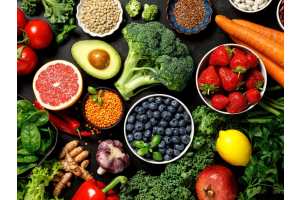
Some foods naturally act as gentle anti-histamines and anti-inflammatories, especially foods rich in vitamin C and quercetin like berries, citrus, onions, and apples.
Preparation: Start 4–8 Weeks Before Pollen Season
- Improve gut health with fibre and fermented foods (live yoghurt, kefir, sauerkraut, kimchi)
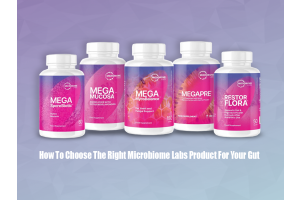
- Consider a targeted probiotic supplement
- Check and top up vitamin D, especially after winter. Vitamin D plays a key role in lung and immune health
- Increase omega-3 intake (eat more oily fish such as slamon, sardines, mackerel, herring or take a good quality fish oil)
- Support short-chain fatty acid production (butyrate) via fibre diversity
- Eat a rainbow diet including more colourful fruit and vegetables
- Reduce processed foods, sugar and alcohol to reduce the inflammatory load
- Consider reducing dairy if mucous congestion is an issue. Opt for nut milks instead
- Consider vitamin C and quercetin support
In-Season Protocol: When Pollen Is High
Remove and Reduce triggers (limit high-histamine or histine liberating foods)
- Limit alcohol
- Go lighter on high-histamine foods such as aged cheese, processed meats, shellfish, dried fruits, some nuts such as cashews, pistachios, walnuts, almonds)
- Cut back ultra-processed and high-sugar foods
- Reduce dairy if congestion worsens
Add supportive foods - natural anti-histamine / anti-inflammatory
- Vitamin C foods: berries, blackcurrents, kiwi, citrus, peppers
- Quercetin foods: onions, apples, capers, blueberries
- Anti-inflammatory spices: ginger and turmeric
- Plenty of colourful vegetables rich in antioxidants
- Fibre-rich foods for microbiome diversity
- Nuts lower in histamine include hazelnuts, pecans, macadamias
- Consider bone broth for gut lining support
- Local honey - which may contain trace amounts of pollen, could also help support desensitization.
Optional supplements (if appropriate)
- Probiotics and gut repair - Studies have shown that several strains of probiotic bacteria can be useful for reducing symptoms
- Vitamin D
- Omega-3
- Vitamin C
- Quercetin
- NAC (known for its respiratory benefits) or bromelain for congestion