ALL BLOGS
- - February 10, 2026
Check out our recipe for delicious, healthy banana pancakes, made with just 6 ingredients.
- - January 06, 2026
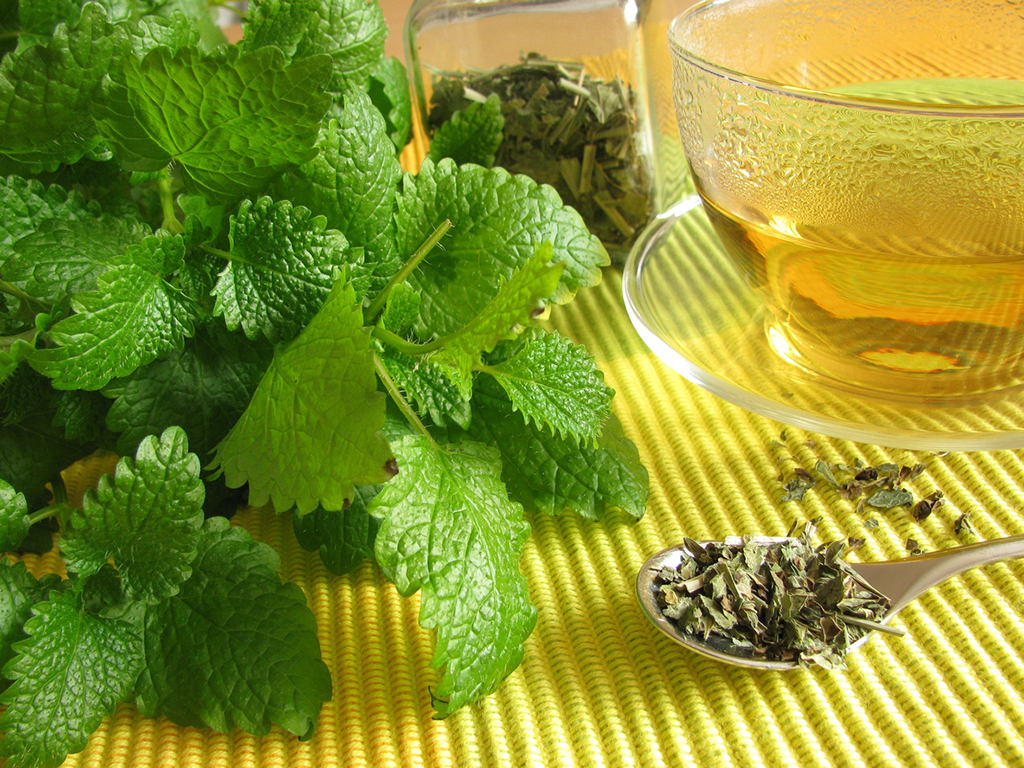
If you wish to reduce your intake of regular teas, coffees and other caffeine containing beverages you may be somewhat overwhelmed by the range of alternatives available. Depending on your own particular health concerns or outcome choices, some may be more suitable than others, so have a read of the different options available:
GREEN TEA
Although green tea does contain caffeine its other beneficial properties negate this. Green (and white) tea is an excellent source of antioxidants, which prevent free radical damage in the body. It also contains l-theanine, an amino acid that helps the brain produce alpha-waves, which in turn has a calming effect on the body.
CHAMOMILE
May have calming and/or anti-inflammatory effects. It may help to relieve the symptoms of seasonal allergies. However, do not use if you know you are allergic to ragweed as commercially produced blends may be contaminated with this and so make your symptoms worse. Often blended with other soothing herbs for a bedtime formulation.
- - January 06, 2026
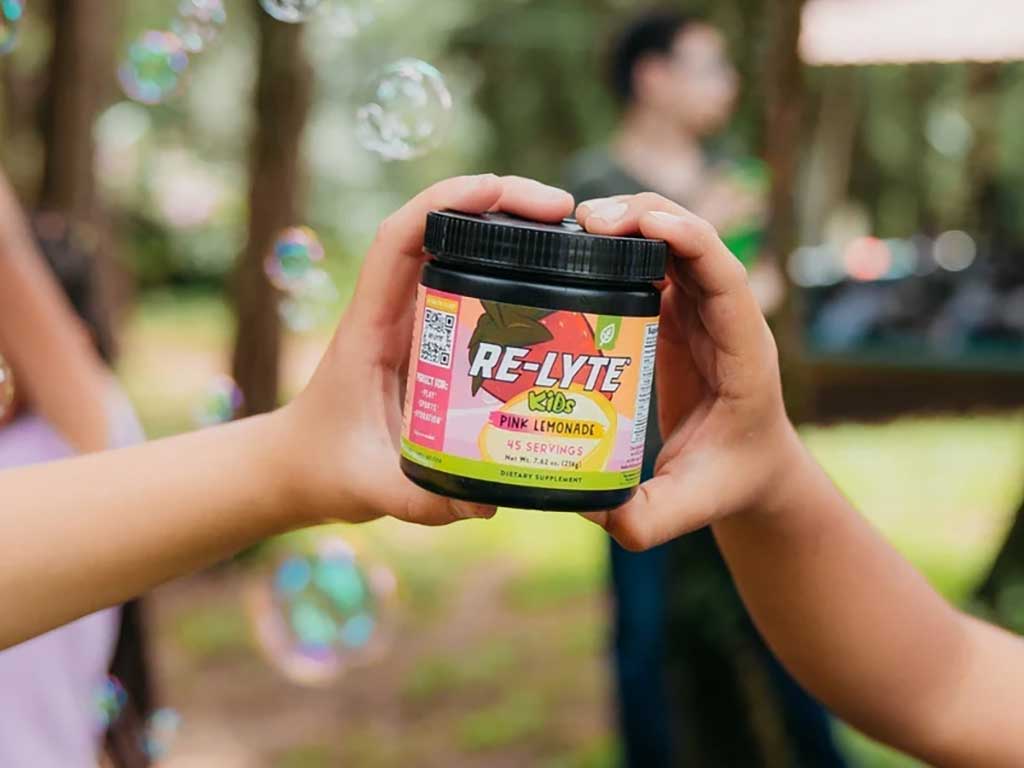
Dehydration can make kids cranky, tired, and uncooperative.
Drinking enough fluids helps improve mood, lower stress, and maintain steady energy levels throughout the day.
Even slight dehydration can lead to brain fog, trouble focusing, and memory issues—especially in growing, learning kids.
Staying hydrated with support from electrolytes like sodium, potassium, magnesium, and calcium helps kids stay sharp, process information faster, and power through their schoolwork.
Written by Redmond Life
Between spelling tests, math equations, and art projects, kids use their brains a lot. But did you know that something as simple as drinking enough water and electrolytes can make a big difference in how well kids focus and learn?
Water isn't just for quenching thirst—it’s a secret weapon for brain power! Let’s dive into why hydration is essential for helping kids stay sharp, energized, and ready to conquer the school day.
The Brain Runs on Water
The human brain is about 75% water, which means even
- - January 05, 2026
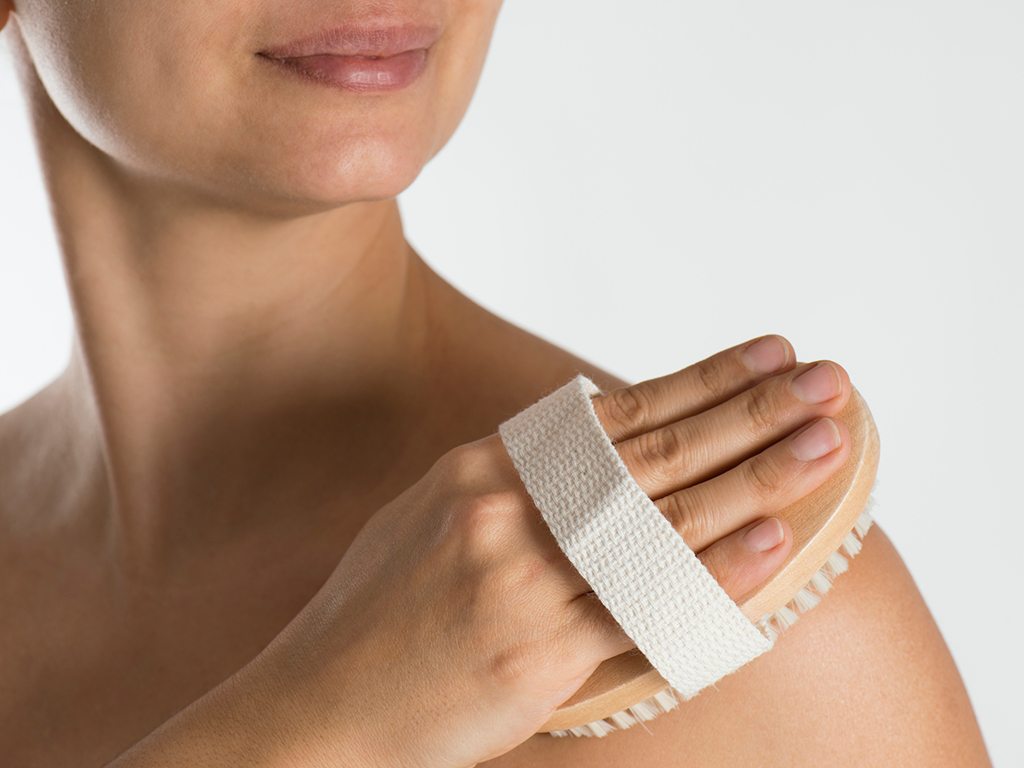
Dry skin brushing has been practiced for thousands of years and involves using a natural bristled brush and running it over the body. The skin is the largest organ in the body and is responsible for one-fourth of the body's detoxification each day making it one of the most important elimination organs. Find out how to skin brush and its benefits.
Benefits of Dry Skin Brushing
Removes Dead Skin: One of the most beneficial aspects of dry brushing the skin is that the process helps the body slough off dead skin cells, which can clog pores and also to stimulate new skin growth. If this is not done impurities and toxins can remain in the body. Skin brushing therefore helps create a healthy glow and a smoother skin surface.
Improves Circulation: As the brush strokes the skin to remove dead skin cells, the brush motion against the skin massages it and helps increase circulation. Improved circulation enhances the flow of lymph and hormones through the skin, maintaining a healthy
- - January 05, 2026
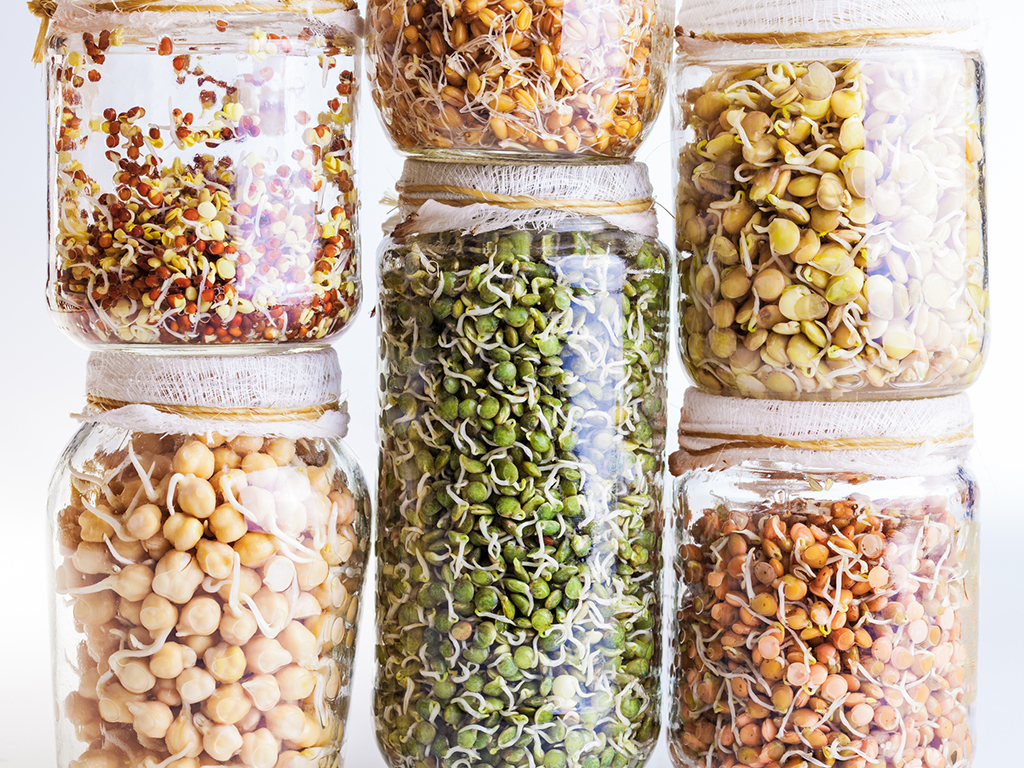
Sprouted seeds are easy to grow, are cheap and produce nutritionally dense food. They are perfect for salads, nori rolls, sandwich fillings and can be added to smoothies, soups and so on. So read on to find out more and easy they are to grow..
Why sprout?
Sprouted seeds are a powerhouse of nutrients – naturally vitamin and mineral rich, high in phto-chemicals, colon-healthy fibre, detoxifying chlorophyll, moisture, enzymes and amino acids that your body needs to build complete proteins.
Eating sprouted seeds on a regular basis has been used by many civilisations for centuries as a means of improving digestion, combating tiredness and stress and promoting health.
What is sprouting?
Sprouting is another name for germinating – essentially the sprouting process results in a partially grown or young plants. The seeds are the most nutrient dense part of a plant and therefore a sprouted seed is an entire plant packed into a suitcase!
Seeds themselves are well protected as they are covered in enzyme
- - January 06, 2026
Lack of sleep can lead to many health issues. In the short term, a lack of adequate sleep can affect judgement, mood, ability to learn & retain information, and may increase the risk of serious accidents and injury. In the long term, chronic sleep deprivation may lead to a host of health problems including obesity, diabetes and cardiovascular disease. Find out how you can improve your sleep hygiene for improved wellness....
Avoid Stimulants
- Limit the amount of stimulants (caffeine, nicotine, alcohol, cola drinks, dark chocolate, even some cold and flu remedies) consumed during the day and especially close to bedtime. If sensitive to caffeine avoid it after 12 noon.
- Stimulants make it harder for the brain to achieve a state of relaxation needed for sleep and consumption can impair sleep for many hours. Whilst most people think that alcohol is a sedative, it actually has a stimulating effect.
Minimise Tension and Anxiety
- Avoid anxiety-provoking activities close to bedtime, such as paying
- - January 06, 2026
Soaking in a warm bath can encourage time to relax, rest & refresh. By adding some specific ingredients to the water, baths can also allow you to replenish low minerals, support detoxification, aid relaxation & boost energy levels.
Magnesium baths many people have low levels of magnesium which is a mineral that supports many of the body’s functions including sustaining heart health, energy production, muscle control & the elimination of harmful toxins. Add 2 cups of magnesium flakes to a warm bath & soak for 20 minutes, up to 3 times a week.
Epsom Salts while also replenishing magnesium & sulphate, Epsom salt may also help to detoxify the body by removing chemicals & pollutants, help reduce migraines, relax sore muscles (especially after physical activity or exercise), & exfoliate & often the skin encouraging better circulation. Add 2 cups to a warm bath & soak for at least 12 minutes to gain the benefits. As Epsom salts can be slightly drying to the skin it is especially recommended
- - January 06, 2026
The skin is the largest organ of the body but its is also the last place to receive nutrients. So, if your skin is supple, and looks all dewy and glowing, it generally means that your insides are in pretty good shape. However it is common for your skin to go through phases where it may not look as good, due to dietary changes, hormonal changes and even environmental changes.
One of the things we know for sure is that, what you put in your body matters, so does what you put on your body. Beauty products promising to rehydrate your skin are often laden with toxic ingredients that you probably can't even pronounce.
One of the functions of the skin is to eliminate toxic waste products through sweating. As toxins escape through the skin, the skin’s health integrity is disrupted. This is a key factor behind many skin disorders. The skin also breathes, If pores become blocked, microbes that are involved in causing skin conditions such as acne, flourish. Dirt , dust, oils and grime from pollution
- - January 06, 2026
Relaxation, just like a healthy diet with regular exercise, is the essential factor for our physical and emotional well – being and also disease prevention. Practising relaxation techniques can help reduce everyday stress and boost energy and mood.
Making relaxation techniques a part of your life
A variety of different relaxation techniques can help you bring your nervous system back into balance by producing the relaxation response. The relaxation response is a mentally active process that leaves the body relaxed, calm, and focused.
Learning the basics of these relaxation techniques isn’t difficult, but it does take practice. It is recommended setting aside at least 10 to 20 minutes a day for your relaxation practice. If you’d like to get even more stress relief, aim for 30 minutes to an hour.
The best way to start and maintain a relaxation practice is to incorporate it into your daily routine. Between work, family, school, and other commitments, though, it can be tough for many people
- - January 06, 2026
Electrolytes- what are they and why do we need them?
Learn about Electrolyes and the crucial role they play in bodily functions.
written by Redmond Life
At a glance
- Electrolytes are minerals with an electric charge that conduct electricity in the body, playing a crucial role in bodily functions.
- The main electrolytes in the body include sodium, potassium, calcium, magnesium, and chloride, which are found in body fluids like blood, sweat, and urine.
- Electrolytes help send electrical signals between cells, allowing muscles to move, the heart to beat, and the brain to function properly.
- They also maintain the balance of fluids inside and outside cells, ensuring proper hydration and enabling nutrient exchange and waste removal.
- Factors such as exercise, illness with fluid loss, hot weather, certain medications, fasting, and specific diets may require electrolyte supplementation to replenish levels and maintain optimal health.
You've probably heard the term “electrolytes” tossed around your