Magnesium is an essential mineral required for energy production, muscle function, nerve health, supporting sleep, stress and overall wellbeing; but not all magnesium is created equal. If you’ve ever shopped for a supplement, you’ve probably noticed a long list of different forms, from magnesium glycinate and citrate to malate and oxide. So what’s the difference, and does it really matter which one you choose? The short answer is yes! Magnesium supplements are made by combining magnesium with other compounds, and that pairing directly affects how well your body can absorb and use it — a factor known as bioavailability.
Some forms, like magnesium citrate, glycinate, and malate, are known for being more easily absorbed and gentler on the digestive system, while others may be cheaper to produce but less effective. Because of cost, many products include only one or two forms, but formulas that combine multiple highly bioavailable types can offer broader benefits and better overall absorption. In this guide, we’ll break down the different types of magnesium and explain what each one is best used for, so you can choose the right fit for your goals.
Magnesium Glycinate (also known as bisglycinate)
Magnesium glycinate is a highly bioavailable and well-tolerated form of magnesium that is gentle on the digestive tract and unlikely to cause laxative effects, making it an ideal choice for those looking to correct a magnesium deficiency.
Also known as magnesium bisglycinate, this chelated form of magnesium is bound to glycine, an amino acid that acts as a neurotransmitter and chemical messenger in the body. Glycine is known to promote deep, restorative sleep, reduce fatigue and stress, and support a healthy circadian rhythm, helping the body maintain a more natural sleep cycle.
Magnesium glycinate also contributes to the maintenance of healthy electrolyte balance, supports normal muscle and bone function, and plays a role in reducing tiredness and fatigue. In addition, it may help support inflammatory conditions such as heart disease and diabetes by helping to reduce inflammation.
This form of magnesium may also encourage oestrogen detoxification, offering further support for PMS and helping to ease menstrual cramps. Research suggests that women experiencing PMS symptoms often have lower magnesium levels compared to those without symptoms.
In summary Magnesium glycinate is ideal for: supporting sleep, mood, relaxation, reducing fatigue & anxiety / stress. Recommended for PMS and muscle relaxant to alleviate period-related pain.
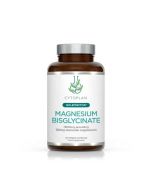
Products include: Cytoplan Magnesium Bisglycinate, Smidge Evening Magnesium, Lipolife Magnesium LLM1, Neutrient Magnesium, Daily Magnesium 5-in-1 Complex, The Metagenics Mega Mag and MetaRelax Night Range of supplements (excluding Relax) and Redmond Re-Lyte Hydration Drinks
Magnesium Malate
Magnesium malate is a highly absorbable and bioavailable form of magnesium combined with malic acid (a naturally occurring compound found in fruits responsible for the sour, tart taste in fruits like apples, grapes, and cherries) that plays a key role in the body’s energy-producing Krebs cycle. Because it is well absorbed, it is commonly used to replenish low magnesium levels while supporting sustained energy, reducing fatigue, and promoting overall vitality.
This form is particularly valued for muscle health and pain management, as it helps relax muscles, supports exercise performance and muscle recovery, and may help reduce chronic pain associated with conditions such as fibromyalgia and chronic fatigue syndrome. Beyond energy and muscle support, magnesium malate contributes to normal nervous system and psychological function, while also helping maintain healthy bones, muscle contractions, and heart function. Overall, it is considered safe for most people and is an excellent option for those seeking improved energy, reduced fatigue, and enhanced musculoskeletal support.
In summary Magnesium Malate is ideal for: supporting energy production and muscle relaxation so useful for those with fatigue and muscle tension.
Products include: Smidge Morning Magnesium, Designs For Health Magnesium Malate, Metagenics Mega Mag Muscleze, Neutrient Magnesium, Daily Magnesium 5-in-1 Complex, and Redmond Re-Lyte Hydration Drinks.
Magnesium Citrate
Magnesium citrate is a highly absorbable form of magnesium combined with citric acid and recognised for its solubility in water, making it versatile and a popular choice for increasing overall magnesium levels in the body. It makes a great all-rounder.
In higher amounts, it has a mild laxative effect and is commonly used for short-term relief of constipation. It works by relaxing the bowels and drawing water into the intestines through osmosis, which softens stools and stimulates bowel movement. For best absorption, magnesium citrate is typically taken on an empty stomach with a full glass of water or juice.
Magnesium citrate may also be used alongside potassium citrate to help prevent kidney stone formation, as magnesium is thought to reduce oxalate absorption.
Beyond digestive support, magnesium citrate plays a vital role in muscle, nerve, and heart function, supports energy metabolism, helps maintain healthy bones and muscles, and contributes to reduced tiredness and fatigue.
In summary Magnesium citrate is ideal for: constipation relief, correcting low levels, muscle and nerve support, reducing tiredness and supporting energy levels.
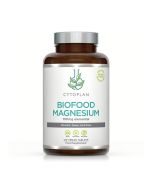
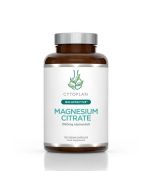
Products include: Cytoplan Magnesium Citrate, Cytoplan Biofood Magnesium, Cytoplan Cyto-Night, Daily Magnesium 5-in-1 Complex, Neutrient Magnesium
Magnesium Threonate
Magnesium threonate is a highly bioavailable form of magnesium known for its unique ability to cross the blood–brain barrier to raise brain magnesium levels. It supports cognitive function, memory, focus, and brain health, particularly with aging. It also promotes relaxation, helps reduce anxiety, and may improve sleep quality by calming the nervous system.
In summary Magnesium Threonate is ideal for: supporting enhanced cognitive function, memory reduced anxiety and improved sleep
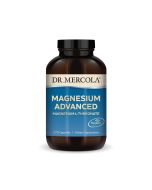
Products include: Dr Mercola Magnesium Advanced
Magnesium Taurate
Magnesium Taurate is a highly bioavailable form of magnesium combined with the amino acid taurine (often found in heart cells), which is known for calming. It is especially valued for cardiovascular support, relaxation, and nervous system health.
Magnesium and taurine work together to support heart function, healthy blood pressure, and circulation, while helping regulate electrolytes and blood sugar. Taurine also has a calming effect on the nervous system by supporting GABA activity, which promotes relaxation, balanced mood, and better sleep.
This form of magnesium helps reduce stress, muscle tension, fatigue, and nervous system strain, and is well absorbed and gentle on digestion.
In summary Magnesium Taurate is ideal for: cardiovascular support, relaxation, mood balance, energy and sleep quality.
Products include: Smidge Morning Magnesium, Neutrient Magnesium
Magnesium Oxide
Magnesium oxide is a compound made from magnesium and oxygen and contains the highest proportion of elemental magnesium (around 60%), however it is not easily absorbed by the body. For this reason, it is most commonly used for its laxative effect and is particularly effective at relieving constipation.
While its absorption is lower compared to other forms, it still contributes to essential functions in the body, including muscle and nervous system support, as well as helping to reduce tiredness and fatigue.
In summary Magnesium Oxide is ideal for: occasional constipation
Products include: Smidge Evening Magnesium, Daily Magnesium 5-in-1 Complex, Neutrient Magnesium
Ionic Magnesium
Ionic magnesium refers to magnesium in its charged, dissolved form, which allows it to be easily absorbed and utilized by the body. Because it is already in an active ionic state, it can be taken up more efficiently compared with forms that require additional breakdown during digestion.
Products include: Smidge Deep Ocean Liquid Magnesium Drops
In summary Ionic magnesium is ideal for: people looking for a natural, highly absorbable source of magnesium. It’s particularly helpful for those who prefer a liquid alternative to pills (including children), athletes seeking natural electrolyte support and recovery, and anyone wanting gentle, adjustable magnesium intake to help support relaxation, sleep, heart health, bone strength, and muscle function.
Magnesium Chloride
Magnesium chloride contains around 12% magnesium, but has better absorption than some others, such as magnesium oxide, which contains five times more magnesium.
Magnesium chloride is commonly used in topical formulations, including creams, oils, and sprays. These products may be applied to various areas of the body, with the lower extremities, such as legs frequently targeted for the management of symptoms associated with restless legs.
When administered transdermally, magnesium chloride is absorbed through the skin and delivered to underlying tissues, where it may contribute to muscle relaxation, reduction of muscle cramps and spasms, and support of normal neuromuscular and nervous system function. Topical magnesium chloride has also been explored for its potential to support skin health and may help alleviate certain inflammatory skin conditions, such as dermatitis.
In addition to topical use, magnesium chloride can be taken orally. It is generally well tolerated by the gastrointestinal tract and may be used for short-term relief of conditions such as heartburn and constipation due to its osmotic and acid-neutralising properties.
In summary Magnesium Chloride is ideal for: supporting muscle relaxation (including the relief of restless leg symptoms) and sleep quality.
Products include: The Clay Cure Zechstein Magnesium Chloride, Good Health Naturally Bath Flakes and their Magnesium Ultra Lotions of Regular and with Melatonin
Magnesium Sulphate (Epsom Salts)
Magnesium sulphate, more commonly recognised as Epsom salts, is widely used to support the body during times of physical discomfort and muscle fatigue. Epsom salts are produced by combining magnesium with sulphuric acid, forming small, clear crystals that dissolve easily in water.
It is often associated with easing symptoms linked to osteoarthritis, fibromyalgia, growing pains, and minor sports-related injuries. One of the most popular ways to use Epsom salts is in a warm bath, where they are valued for their ability to soothe tired, achy muscles and support post-exercise recovery. Bathing with magnesium sulphate may also help calm inflammation, improve skin softness and hydration, and encourage overall relaxation. Many people report feeling mentally refreshed after an Epsom salt bath, with some suggesting it may help reduce headaches or low mood.
While scientific evidence around how much magnesium is absorbed through the skin during bathing remains limited, the restorative effects of slowing down, warming the body, and allowing time to relax should not be underestimated.
You can also find magnesium sulphate in creams, gels and oral supplements. Food-grade magnesium sulphate is sometimes included in detox or cleansing protocols and has historically been used to relieve constipation. However, this approach is generally not recommended, as it can lead to uncomfortable digestive side effects.
In summary Magnesium Sulphate is ideal for: relief of tired muscles
Products include: The Clay Cure Epsom Salt
In conclusion
Although bioavailability, the body’s ability to absorb magnesium can vary between different forms, the most important factor is ensuring you consume enough magnesium to meet your body’s needs. Ultimately, the best form of magnesium is the one that suits your health goals and helps you consistently meet your daily magnesium requirements.